
Pitfalls in spotting cauda equina syndrome
14 April 2025

0 comments
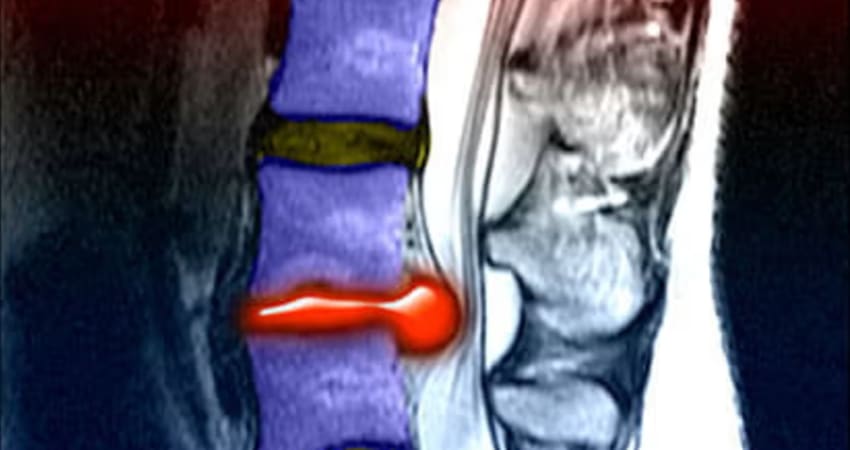 Image credit: Science Photo Library
By Dr Guy Krauth
CAUDA Equina Syndrome (CES) is a relatively uncommon condition. However, it does have an annual incidence of around seven per 100,000 patients of working age and therefore a typical GP might expect to see one case of confirmed CES every four to five years.
A missed or delayed diagnosis of CES can have catastrophic outcomes for the patient and very real medicolegal consequences for the clinicians involved. It is therefore essential that trainees in emergency medicine and orthopaedic surgery, as well as GPs are able to recognise the cardinal features of CES and ensure that referral and appropriate MRI scanning is undertaken in a timely manner.
You might also like