
Nocebo effect: overcoming the power of negative expectations
28 November 2022

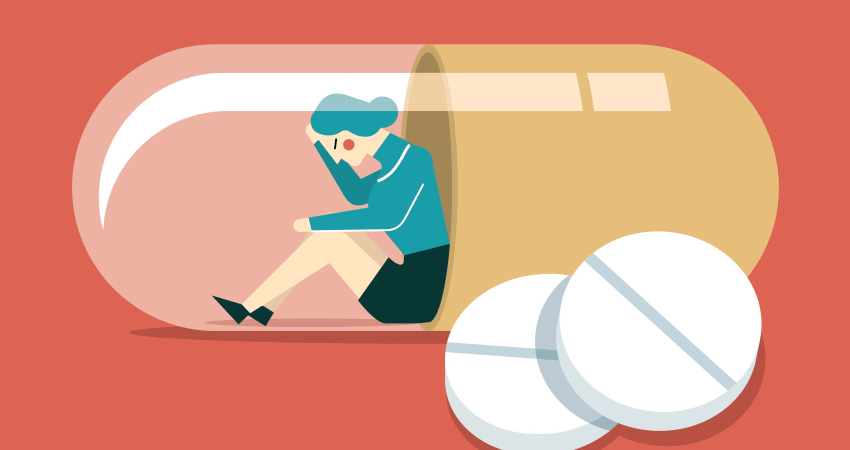 iStock.com/sorbetto
By Judith Ozkan
The shadowy nocebo effect can cause side effects, scupper adherence and harm prevention and recovery. But how does it work - and what can doctors do to stop it taking hold in the first place?
The nocebo effect – sometimes called the ‘evil twin’ of placebo – has been linked to a range of adverse health events in everyday clinical practice. The beneficial role that the placebo effect plays in improving patient outcomes has been well-documented, but the nocebo effect is less well understood.
Its impact should not be overlooked, though. Recent research from the British Heart Foundation (BHF) suggests nocebo may cause as much as 90% of statin side effects, while two-thirds of COVID-19 jab reactions are not caused by the vaccine, fuelling vaccine hesitancy.1 Pain, migraine, lactose intolerance, cardiovascular disease, Parkinson’s disease, even post-traumatic stress disorder – all are susceptible to the power of the nocebo.2
You might also like