
Pancreatic cancer drug combination shows 'breakthrough' promise, researcher says
20 November 2026

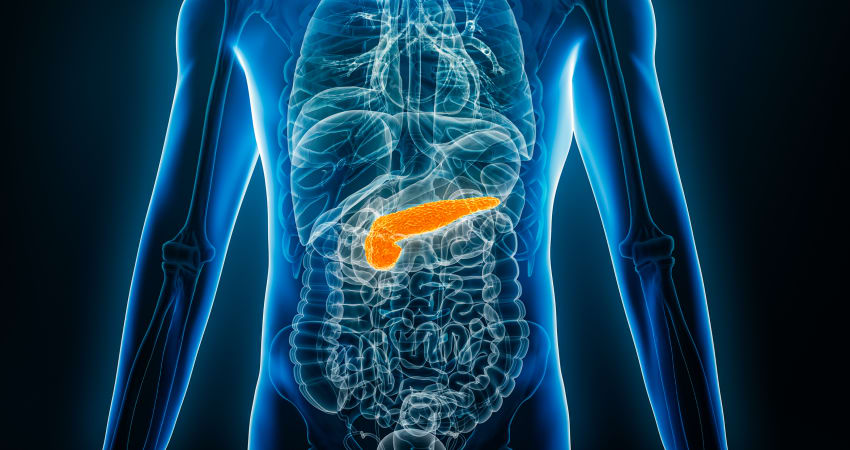 Getty/libre de droit
By Olivia Bowthorpe
A once-a-day pill for advanced pancreatic cancer shrank tumours substantially in more than six in 10 patients when combined with chemotherapy, a clinical trial suggests.
US researchers found the median progression-free survival in the small study was 12.8 months, compared with around six to seven months seen in previous studies of standard chemotherapy.
In the trial of daraxonrasib, 77% of patients were still alive a year after starting treatment.
Tumours shrank substantially in 61% of patients, including complete responses in 8% - about one in 12. Overall, 90% of the 61 patients experienced either tumour shrinkage or stable disease.
The oral drug targets RAS proteins, which regulate cell growth and can become abnormally active in cancer. More than nine in ten pancreatic ductal adenocarcinomas carry mutations in RAS genes.
Daraxonrasib hit global headlines in May after it was found to almost double survival time for patients with aggressive and advanced pancreatic cancer when compared to chemotherapy alone in a study in the New England Journal of Medicine.
You might also like