
RNA therapy may help preserve muscle during GLP-1 weight-loss
23 September 2026

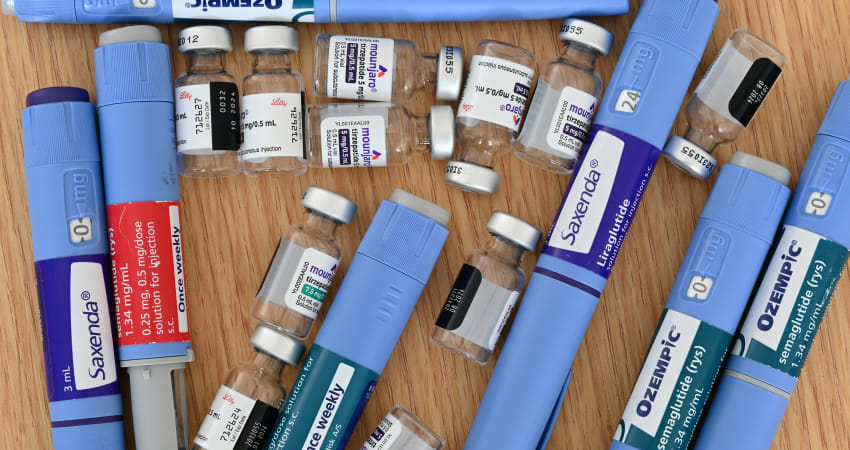 Getty/Douglas Cliff
By Olivia Bowthorpe
A treatment that triggers thermogenesis in fat tissue could potentially help patients on GLP-1 treatment lose more fat as well as preserving muscle, early research suggests.
The drug targets a protein called ZFP423, which acts as a brake on the development of energy-burning 'beige' fat cells – the white fat cells that have changed to a more heat-producing state, similar to brown fat
Reducing ZFP423 activity in mice increased the switch from white to beige fat cells, increasing thermogenesis reported Dr Joseph Bass, director of the centre for diabetes and metabolism at Northwestern University Feinberg School of Medicine in Chicago, and colleagues.
The mice, including some with diet-induced obesity, showed increased oxygen consumption, body temperature and energy expenditure, as well as improvements in glucose regulation, insulin sensitivity and lipid metabolism, when given the GLP-1 receptor agonist semaglutide with ZFP423 suppression.
The team explained in Proceedings of the National Academy of Sciences that the new therapy uses a small strand of RNA to suppress the gene that makes ZFP423.
You might also like