8 September 2025
Getty Images/HailshadowBy Julie Penfold
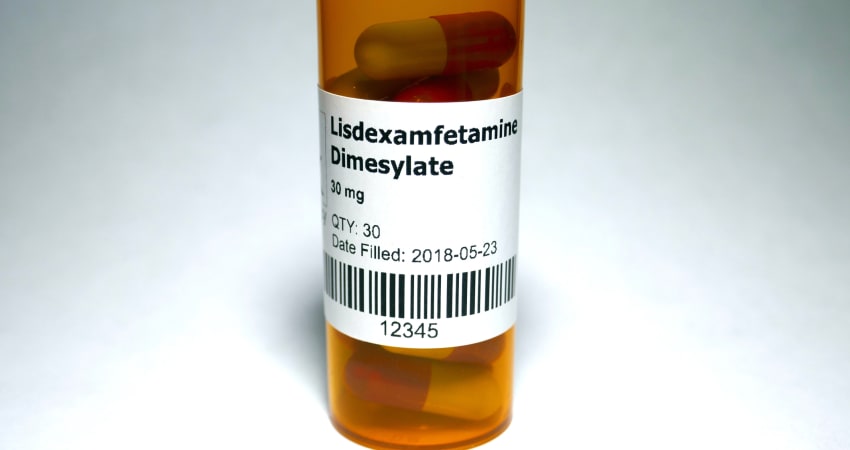
A coroner has issued an urgent warning after a 28-year-old man died from sudden cardiac arrest whilst taking attention deficit hyperactivity disorder medication Elvanse, highlighting concerning gaps in patient monitoring and safety protocols.
Jacob Wooderson collapsed and died at his home in August 2024, just weeks after his dosage of the amphetamine-based drug was increased, an inquest heard.
Assistant coroner Sarah Bourke concluded that the patient died from sudden arrhythmic death syndrome, with his ADHD medication cited as a contributing factor.
While Elvanse (lisdexamfetamine) can have fatal cardiac side effects, she said the evidence could not establish whether his death was directly caused by the drug or an underlying genetic condition.
It was found that Wooderson, who was diagnosed with ADHD by a private consultant psychiatrist in February 2024, was not given clear written advice about Elvanse's potentially fatal side effects, which was described as "a missed opportunity" that could have led to a different outcome.
The Prevention of Future Death report, issued to the Royal College of Psychiatrists and the minister for health and social care, revealed that Wooderson had reported feeling "weird", suffering insomnia and exhaustion after his dosage increase – symptoms his psychiatrist said if they had known about, would have resulted in advise to stop taking Elvanse and an immediate medication review.
As the dosage of the medication is gradually increased, a patient may develop new adverse side-effects, said the coroner.
NICE guidelines require heart rate and blood pressure monitoring before and after each dose change and every six months.
But the inquest heard that Wooderson’s psychiatrist did not clearly document his baseline blood pressure and heart rate prior to starting Elvanse or after increasing the dosage to 50mg.
Similarly, adverse side effect advice given to the patient was not recorded at any point. It also appears that he was not sent any follow up letter after his Elvanse dosage increased to 70mg.
The coroner warned that Elvanse is "increasingly being prescribed in the NHS and private sector" and highlighted three key risks: the medication's potential for fatal cardiac effects, patients with ADHD may forget verbal safety advice due to memory problems and remote consultations rely on potentially unreliable patient-provided vital signs.
The report said that as symptoms of ADHD can include forgetfulness and problems with inattention “there is a risk that patients may not recall verbal advice regarding the adverse side effects of Elvanse, particularly if it is only given at the outset of treatment or is not followed up in writing”.
The drug is one of the two first-line stimulants recommended by NICE for treatment of ADHD in adults – and its use is increasing.
Dr Hayley Gorton, senior lecturer in pharmacoepidemiology at Aston University, said an analysis of prescribing data between 2019 and 2024 found Elvanse was the second most commonly prescribed ADHD medication in England and it had the biggest year-on-year increase of prescriptions issued for the condition.
“Palpitations and tachycardia are known common adverse events as are fatigue, anxiety, insomnia and mood alterations,” she said.
An expert stressed that it’s not possible to determine causality between the drug and Wooderson’s death.
Samuele Cortese, professor of child and adolescent psychiatry at University of Southampton, and honorary consultant child and adolescent psychiatrist at Solent NHS Trust, said: “As this is an individual case, rather than a randomised trial, it is not possible to establish causality between the death and the medication.
“Evidence from a large cohort study shows that stimulant medications may slightly increase blood pressure by 8% after 14 years of use, but do not significantly increase the risk of arrythmias, heart failure, ischemic heart disease, thromboembolic disease or cerebrovascular disease.”
Dr Ulrich Muller-Sedgwick, consultant psychiatrist and ADHD champion at the Royal College of Psychiatrists, urged healthcare professionals to follow protocols.
“Many ADHD patients benefit from treatment with lisdexamfetamine,” he said. “In the UK, prescribers should follow recommendations in the NICE 2018 ADHD guideline.”
Both organisations sent the report must respond within 56 days detailing actions to prevent future deaths or explain why no action is proposed.