
‘Superhuman’ AI tool could fast-track heart disease diagnosis from a routine ECG
1 September 2026

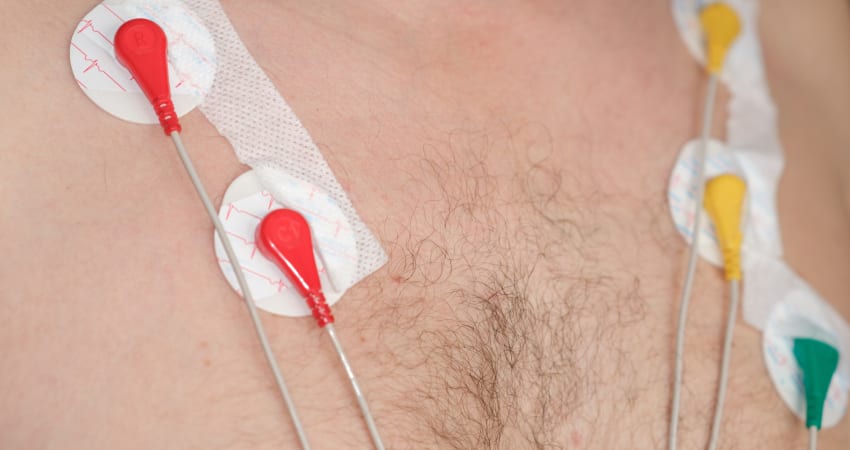 iStock/ANATOLii SAVITSKii
By Emma Wilkinson
Artificial intelligence could quickly detect signs of heart failure and heart valve disease in a routine ECG that cannot be detected by the human eye, researchers have found.
The tool developed at Imperial College London and now being trialled in NHS patients could help fast-track those suspected of having the conditions for further scans.
Presenting initial results at the European Society of Cardiology Congress in Munich, the researchers said the technology could be used on patients within a couple of years.
The AI technology was developed using 10 million 12-lead ECG (electrocardiogram) recordings plus the corresponding medical reports.
It was then refined by training to look for patterns in the ECG results and specific heart conditions on a further 72,475 ECGs with linked echocardiograms.
Validation on more than 65,000 ECGs from hospital patients in the US showed the tool could identify up to 81% of patients with left ventricular ejection fraction.
You might also like