
Diagnostic uncertainty: why losing a diagnosis can be as difficult as receiving one
27 October 2026

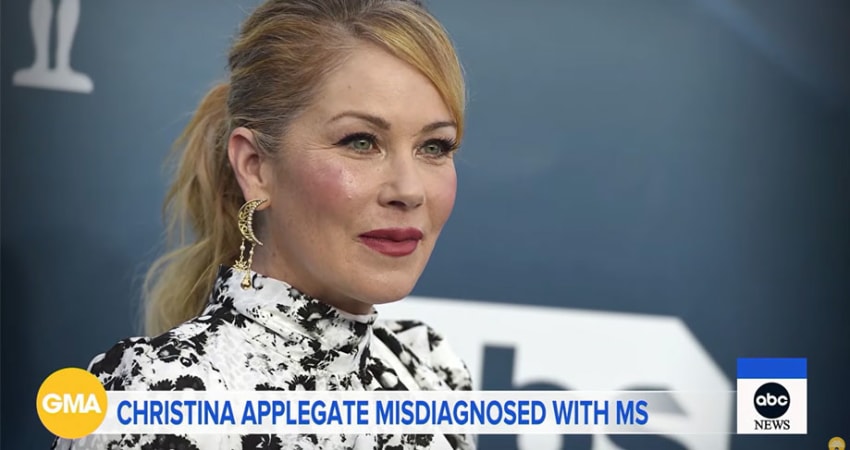 CREDIT: Good Morning America/ABC News
By Esca van Blarikom
When actor Christina Applegate revealed that she had been misdiagnosed with multiple sclerosis (MS), she described the experience as “very unnerving” and “really confusing”.
For five years, MS had provided an explanation for her symptoms. Now, although those symptoms remained, the diagnosis that had helped her make sense of them was gone.
“I haven’t gotten better… If anything, I’ve gotten worse in some ways,” she explained. She also described feeling that she had lost the “reason” that had helped her make sense of her daily struggles.
Being told you don’t have a disease might seem like good news. But for someone living with symptoms, losing a diagnosis can mean losing an explanation for their suffering, along with the hope that explanation provides.
My ethnographic research into the experiences of people living with multiple conditions helps explain why. Through interviews and observations, I explored how diagnoses shape people’s understanding of their symptoms, their expectations for treatment and their sense of what the future might hold.
You might also like